
Why it gets missed
Fifteen-minute medicine wasn't built for Lyme.
The standard two-tier blood test was designed for disease surveillance, not diagnosis. It performs worst exactly when patients need it most — in early infection, before antibodies rise, and in late-stage disease, after the immune response has faded.
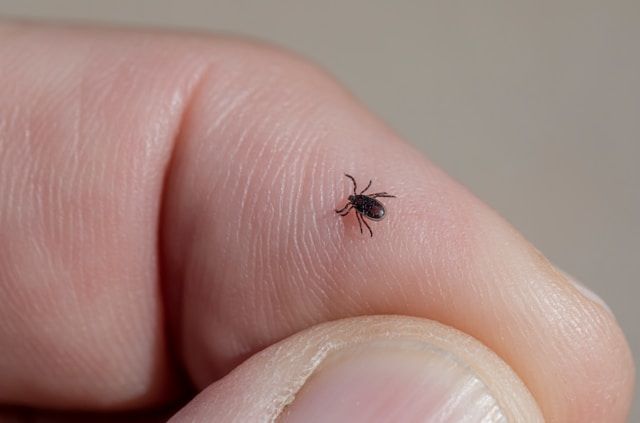
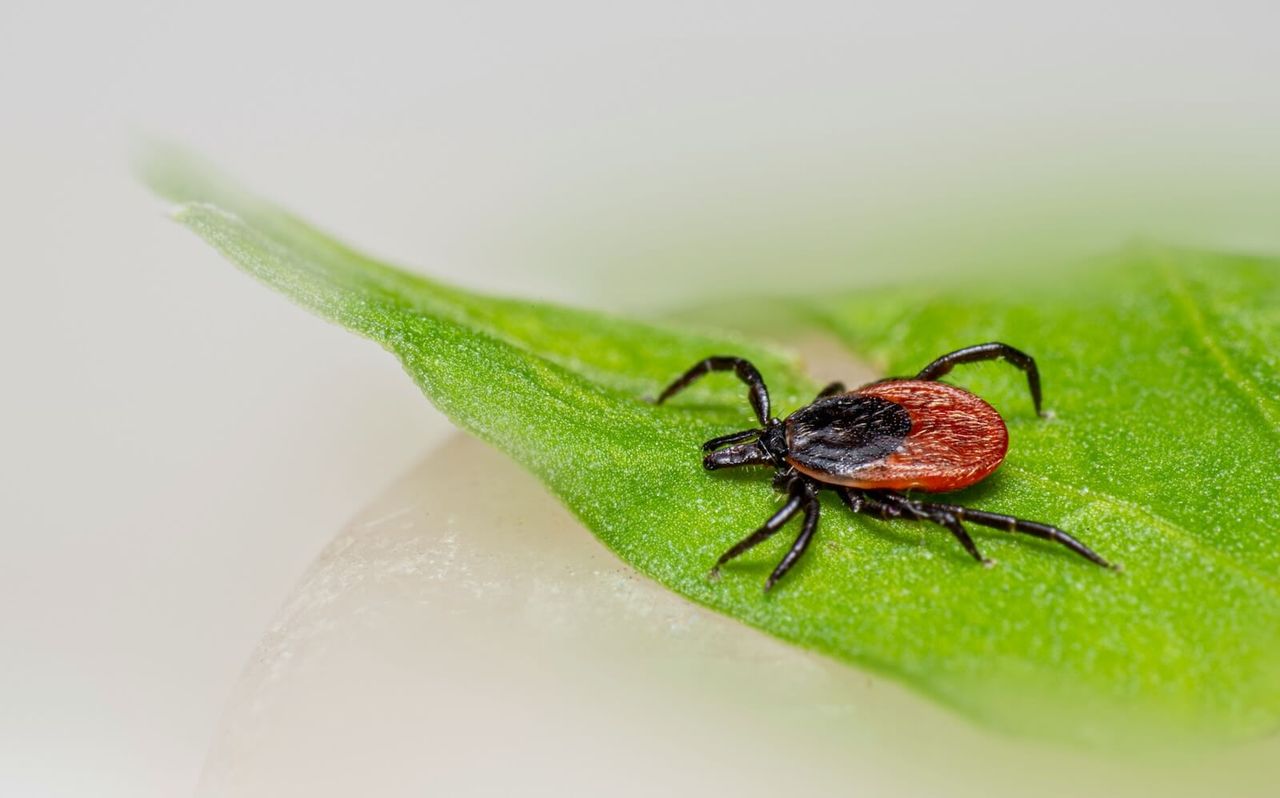
Lyme also rarely travels alone. Ticks carry co-infections — Babesia, Bartonella, Ehrlichia — each with its own symptom fingerprint and its own treatment. A protocol that ignores them stalls.
Our position is simple: a clinical diagnosis built on your full history, exposure, and symptom pattern — supported by better testing — beats a single checkbox lab.