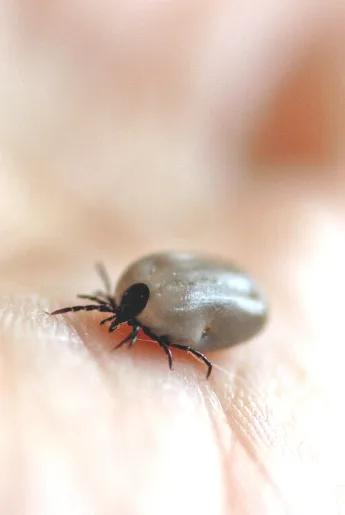
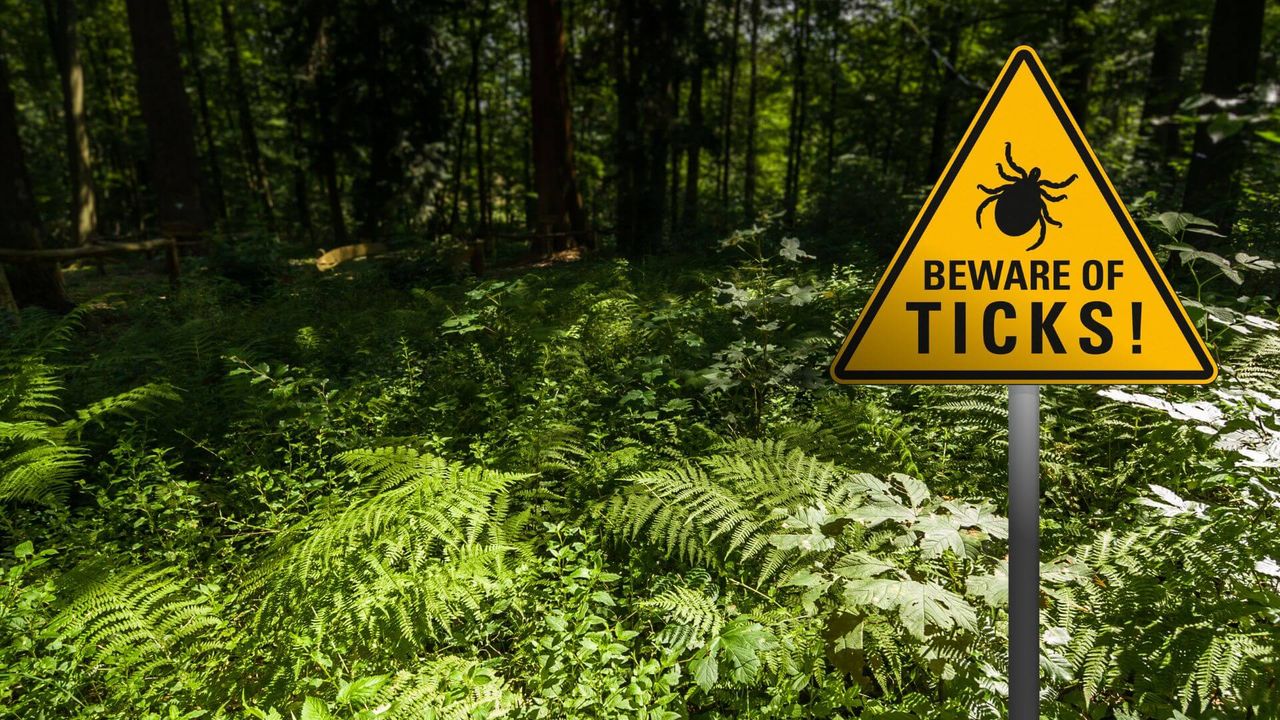
Most people stop thinking about ticks once summer wraps up. At Foundations Wellness, October tells a different story. Every fall we see a second wave of tick bites come through our office as patients head outside to hike under changing leaves, camp on cooler nights, and settle into tree stands for hunting season.
Tick-borne illness is one of the most common concerns we help patients with, and the numbers in our region show why it deserves attention year round.
Lyme Disease Cases Are Climbing in Ohio
Lyme disease is no longer a rare diagnosis here. In 2010, Ohio reported just 40 cases of Lyme disease. By 2020, that number had jumped to 415. In 2025, the Ohio Department of Health confirmed a record 2,799 cases. (source: ohiowcpo)
And those are only the cases that get reported. Researchers at Ohio University point out that official counts likely capture just a fraction of the people actually affected by tick bites and Lyme disease. (source: ideastream)
Why the jump? State health officials point to warmer temperatures, more humidity, and shorter stretches of extreme winter cold, which all help ticks survive. Regrowing forests and new neighborhoods built into natural areas also give deer and rodents, the main hosts for ticks, more room to thrive.
Why Fall Brings a Second Tick Season
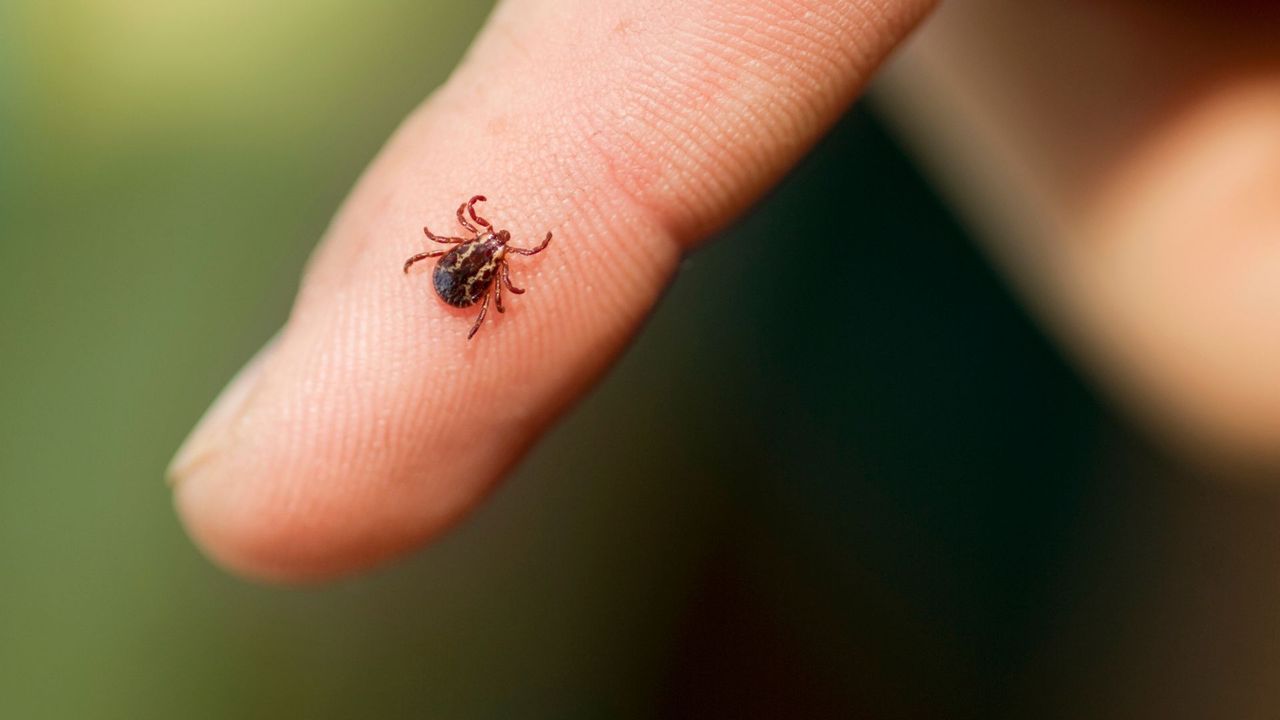
Many people assume tick season ends when the kids go back to school. In reality, fall is prime time for adult blacklegged ticks (also called deer ticks), the species that carries Lyme disease. Adult ticks stay active any time temperatures sit above freezing, so a mild October or November afternoon is plenty warm for them.
Fall also puts more people in tick territory:
- Hikers are out on wooded trails for fall color.
- Campers are setting up in grassy, brushy sites.
- Hunters spend long hours in the woods and handle deer, which are a major host for adult ticks.
- Homeowners rake and bag leaves, and leaf piles hold the moisture ticks love.
- Dogs and outdoor cats carry ticks straight into the house.
We see this pattern every year: a spring and early summer peak, a lull, and then a second surge of tick bites in the fall.
Signs of a Tick-Borne Illness
The bullseye rash is the most well known sign of Lyme disease, but not everyone gets one. In fact, more than half of our Lyme patients never saw a rash at all. Watch for these symptoms in the days and weeks after a bite:
- A red, expanding rash at or near the bite site (it may or may not look like a bullseye)
- Fever or chills
- Fatigue that feels out of proportion to your day
- Headache
- Muscle or joint aches
- Swollen lymph nodes
Ticks in our part of the Ohio Valley can carry more than Lyme, too. Lone star ticks, which are common in Kentucky and southern Ohio, are linked to Alpha-Gal Syndrome, and other tick-borne infections such as Bartonella can show up with vague or shifting symptoms. That's one reason we take every bite seriously, even if you feel fine.
Our Tick Bite Protocol: What to Do If You're Bitten
Over the years we've built a simple, three-step protocol for our patients. It works whether you notice a tick right away or find one that's been attached for a while.
Step 1: Remove the Tick Safely
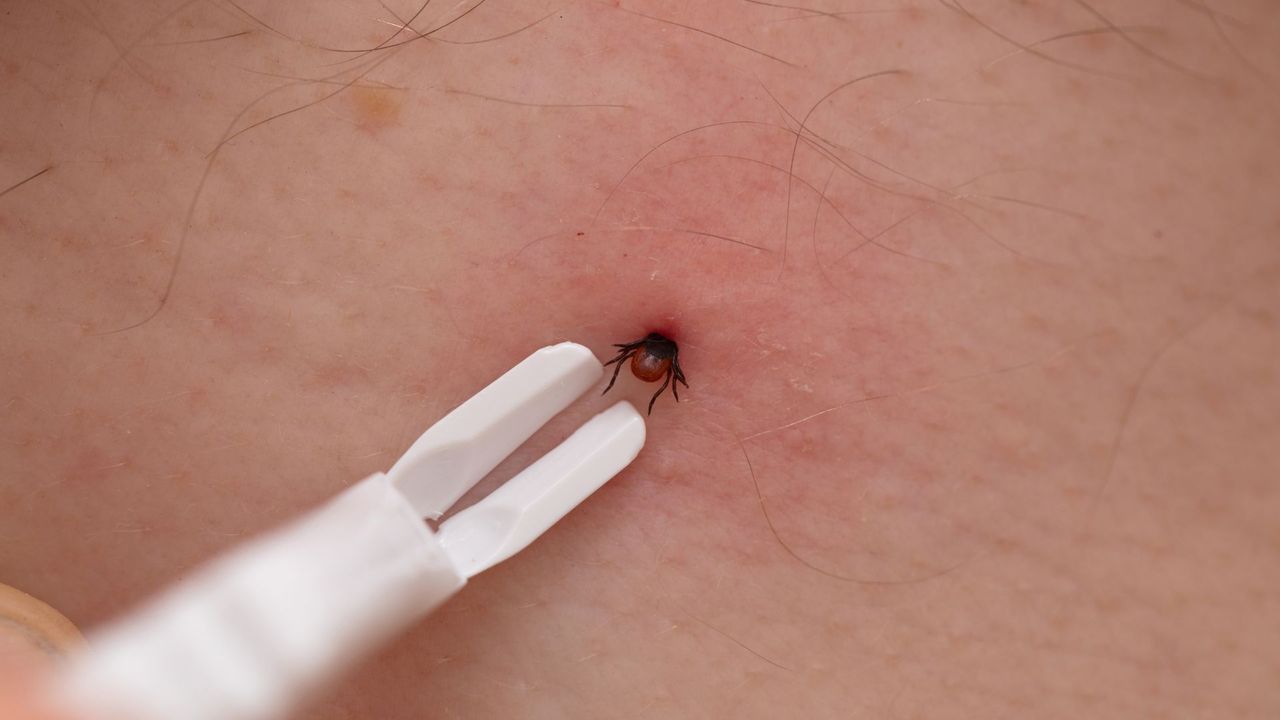
- Use our special forked tick-removal tool from our Tick Bite Kit (call our office at (513) 301-7406 to order yours), or fine-tipped tweezers (if that is all you have access to), and grab the tick as close to the skin as you can.
- Pull straight up with slow, steady pressure. Try not to twist, jerk, or squeeze the tick's body.
- Clean the bite area and your hands with rubbing alcohol or soap and water.
- Apply our a thin layer of clove oil (included in our Tick Bite Kit) to the bite area.
Skip old tricks like nail polish, petroleum jelly, or a hot match. These methods can irritate the tick and cause it to regurgitate its potentially infected contents back into your skin, increasing your exposure to whatever the tick may be carrying and making removal more difficult.
Step 2: Save the Tick in a Baggie for Testing
Place the tick in a sealed zip-top baggie. Write down the date and where on your body you were bitten, plus where you think you picked it up (a trail, your backyard, a hunting lease). Testing the tick itself can tell us which infections it was carrying, which gives us a clearer picture of your risk.
Step 3: Call Our Office for Next Steps
Give us a call at (513) 301-7406 and we'll walk you through what makes sense for your situation. Depending on your bite, your history, and any symptoms, next steps may include:
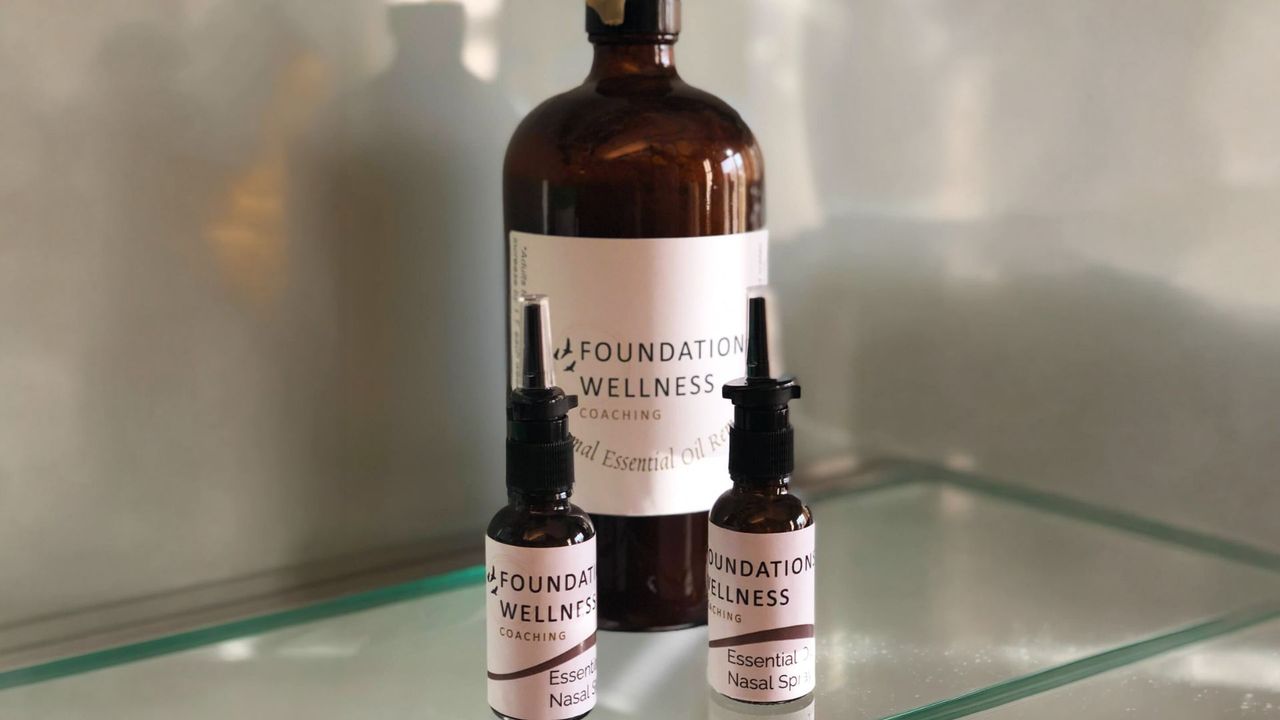
- Our Tick Bite Liposomal Formula. Many of our patients start this formula soon after a bite. It can be used whether or not you have symptoms or a bullseye rash, so you don't have to wait and wonder.
- Tick-borne infection testing. If you have symptoms or the tick test comes back positive, we can order proper lab testing for Lyme and other tick-borne infections so you get answers instead of guesses.
If you develop a high fever, severe headache, facial drooping, chest pain, or heart palpitations after a tick bite, call our office at (513) 301-7406 right away. Our practitioner, Erin Pinkston, FNP-BC, BSN, RN, is able to provide antibiotics and immediate testing for more severe cases.
How to Lower Your Tick Risk This Fall
A few habits go a long way during hiking, camping, and hunting season:
- Wear long sleeves and tuck your pants into your socks in wooded or grassy areas.
- Stay near the center of trails and avoid brushing through tall grass.
- Wear gloves when field dressing deer.
- Shower within a couple of hours of coming inside and do a full-body tick check (behind knees, waistband, armpits, scalp, and behind the ears).
- Tumble outdoor clothes in the dryer on high heat for at least 10 minutes.
- Check pets, backpacks, and camping gear before they come indoors.
- Take our Tick Bite Kit with you on all of your outdoor adventures. This kit includes a compact carrying case, fine-point tweezers for proper tick removal, 4 special tick removal tools for added support, step-by-step instruction card and resources for testing, and clove oil. Call our office at (513) 301-7406 to order yours. For just $25, this kit is so worth it if you spend time outside.
Frequently Asked Questions About Fall Tick Bites
Are ticks still active in October and November?
Yes. Adult blacklegged ticks are active any time temperatures are above freezing, which makes fall one of their busiest seasons.
Do I need a bullseye rash to have Lyme disease?
No. Many people with Lyme never get the classic rash, which is why we don't rely on it alone.
Should I get the tick tested?
Testing the tick can show whether it carried Lyme or another infection. Save it in a sealed baggie and call us before tossing it.
Can I start the tick bite formula if I feel fine?
Yes. Our Tick Bite Liposomal Formula can be used whether or not you have symptoms. Call our office at (513) 301-7406 and we'll help you decide if it's a good fit.
How long does a tick need to be attached to spread Lyme?
Lyme transmission is more likely the longer a tick stays attached, which is why fast removal matters. Some other tick-borne infections can pass more quickly, so every bite is worth a call.
We're Here If You Find a Tick
Tick-borne illness is a big part of what we do, and we've helped many patients across Cincinnati and Northern Kentucky sort through what comes after a bite. If you find a tick this fall, remove it, bag it, and give our office a call at (513) 301-7406. We'll take it from there.
This article is for educational purposes and is not a substitute for individual medical advice. Please contact our office or your healthcare provider with questions about your health.